The Six Stages of the Resident Life Cycle Investors Should Monitor
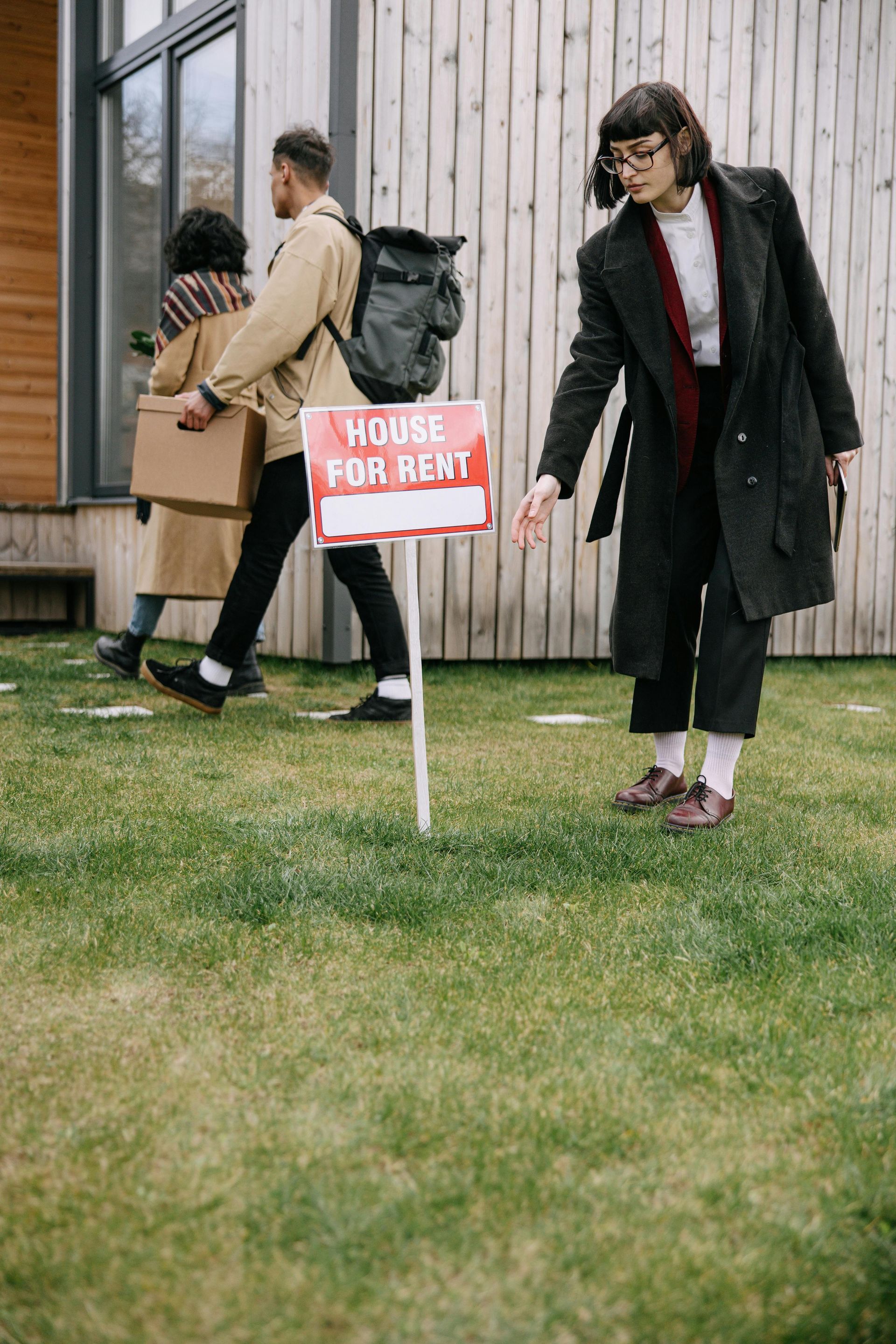
For property owners focused on long-term performance in the Salem rental market, understanding the resident life cycle is essential. Net Operating Income is shaped by far more than analyzing market conditions. The way residents experience each stage of their tenancy determines occupancy stability, turnover costs, service expenses, and ultimately asset value.
High-performing properties are rarely the result of chance. They are the product of consistent operational execution across six key stages of the resident life cycle. Monitoring these stages provides a clear window into how well a property is being managed and where financial outcomes can be improved.
1. Lead Conversion: The First Indicator of Operational Strength
The life cycle begins before residents move in. The speed and quality of lead response directly influence occupancy and vacancy loss.
Key metrics for investors:
● Inquiry response times
● Tour-to-application conversion rates
● Accuracy of listing information
● Professionalism during the leasing process
Strong lead management shortens vacancy periods and reduces the financial drag of idle units.
2. Move-In Experience: The Foundation of Resident Stability
The move-in stage sets long-term expectations. Properties with smooth, well-organized move-ins tend to see higher satisfaction early in the lease term, which strongly correlates with future renewal rates.
Performance indicators include:
● Unit readiness and cleanliness
● Clarity of move-in instructions
● Condition documentation accuracy
● Initial impressions of community upkeep and responsiveness
A strong start increases the likelihood of stable occupancy throughout the lease.
3. Maintenance Quality: The Central Driver of Renewal Behavior
Maintenance responsiveness is one of the strongest predictors of resident retention across the rental industry. Poor maintenance execution quickly erodes satisfaction and accelerates turnover.
What investors should review:
● Response time averages
● Ratio of completed to pending work orders
● Preventive maintenance scheduling
● Work quality and follow-up documentation
Maintenance efficiency has a direct impact on cost control, resident stability, and reputation scores.
4. Rent Optimization and Value Perception During the Lease
Mid-lease is the period when residents decide whether the housing experience aligns with the rent they are paying. This stage is one of the most important predictors of renewal outcomes, yet it is often overlooked in favor of leasing or maintenance metrics. For investors, the relationship between perceived value and rent level is a critical indicator of whether a resident is likely to renew at the same rate, accept a rent increase, or begin exploring alternatives.
Key signals investors should monitor during this stage include:
●
Resident sentiment about amenities and service quality
These perceptions reveal whether the current rent aligns with the experience being delivered.
●
Market rent comparisons relative to current pricing
Understanding whether residents feel underpriced, fairly priced, or overpriced helps predict renewal probability.
●
Feedback indicating willingness to accept modest rent increases
Strong value perception supports sustainable rent growth without increasing turnover risk.
●
Patterns in maintenance or service requests
A spike may suggest declining perceived value, which can weaken rent growth potential.
Monitoring value perception mid-lease helps investors determine whether their asset can support future rent increases, maintain current pricing, or requires strategic enhancements. This stage plays a major role in shaping renewal outcomes and contributing to predictable Net Operating Income.
5. Renewal Decision: The Financial Inflection Point
Retention is the single most powerful lever for stabilizing NOI. Renewal outcomes are the result of the cumulative resident experience, operational performance, and pricing strategy.
Investors often monitor:
● Renewal rate trends year-over-year
● Timing of renewal outreach
● Data supporting rent adjustments
● Resident satisfaction indicators prior to renewal offers
Improved renewal performance lowers turnover expenses and strengthens revenue predictability.
6. Move-Out and Turnover: The Final Cost Center
Turnovers introduce multiple financial considerations, from downtime to repair expenses. Efficient move-out processes minimize disruptions and protect the physical asset.
Key insights include:
● Unit turn timelines
● Average turn cost
● Recurring damage patterns
● Variances between estimated and actual turn expenses
● Marketing lead time before new occupancy
Well-managed turns shorten revenue gaps and maintain asset condition over the long term.
Why Monitoring the Resident Life Cycle Matters for Investors
Each stage of the resident life cycle influences the next. Weakness in one area creates inefficiencies that ripple throughout the entire asset. Strong operations, on the other hand, generate:
● Higher retention
● Lower vacancy loss
● Reduced maintenance expenses
● Stronger reputation and referral demand
● More consistent NOI performance
For Salem-area investors seeking predictable outcomes, the resident life cycle provides a reliable framework for evaluating management quality and forecasting long-term results.
A Property Management Partner Focused on Complete Life Cycle Performance
Place2B Properties designs its processes around the full resident life cycle, aligning each operational stage with the financial objectives of property owners and investors. From leasing and maintenance to communication and renewals, each phase is managed with the goal of strengthening occupancy, reducing unnecessary turnover costs, and protecting long-term asset value.
Partner with Us!
Give us your information and we'll be in touch!